What to Use on Baby Hair — And What to Avoid in the First Year
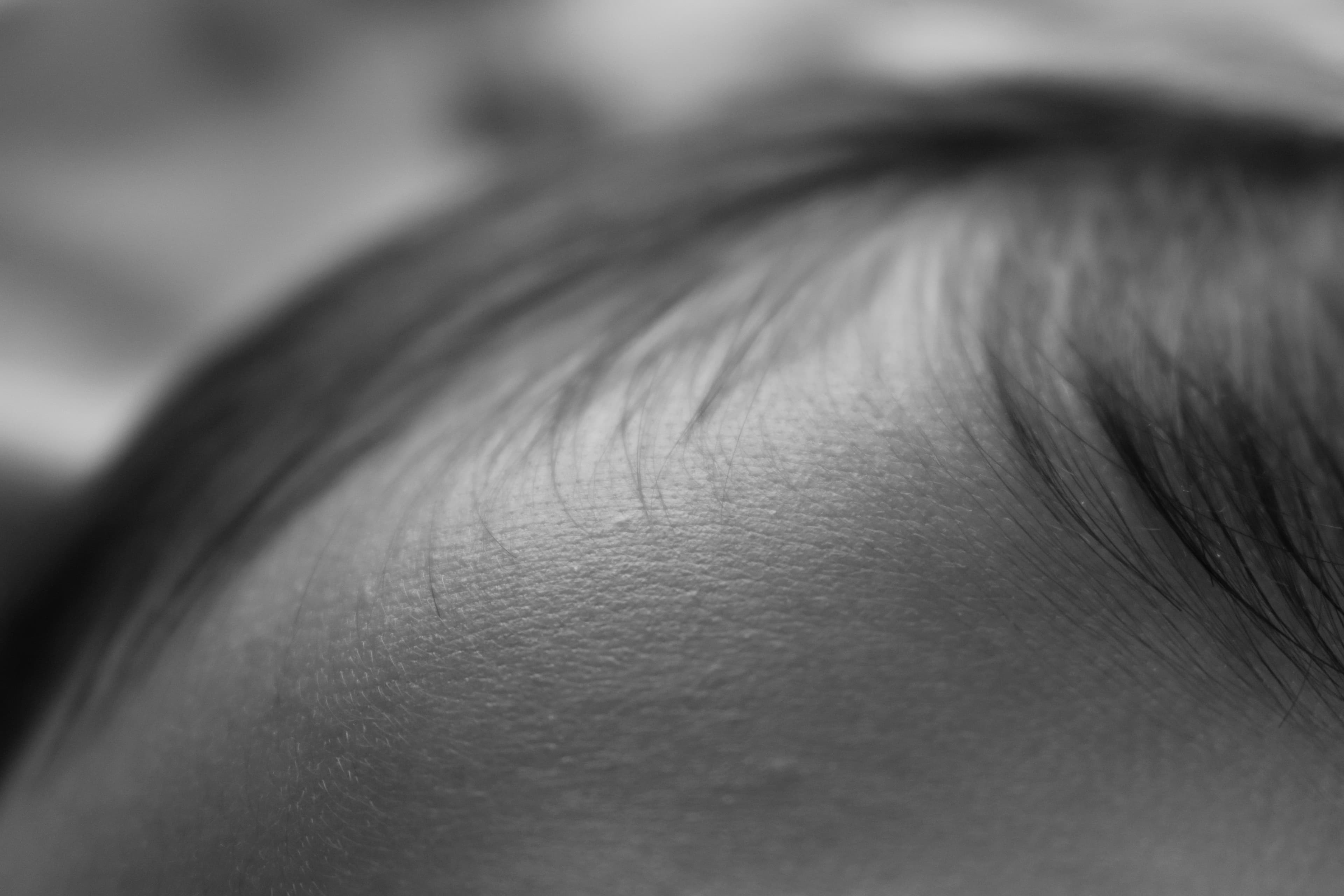
Navigating infant care during the first twelve months is an exercise in constant discernment. From crib sheets to organic feeding purees, every choice you make is filtered through a desire for absolute purity and safety. Yet, when it comes to infant hair care: especially across diverse textures spanning straight waves to tight coils (1a–4c): the market is flooded with confusing jargon, misleading marketing claims, and heavy formulas designed for adult needs rather than a developing baby's delicate biology.
An infant's skin barrier and scalp are exceptionally porous, thinner, and far more sensitive than adult skin. Applying the wrong product can disrupt natural moisture balances, trigger stubborn cradle cap, or clog delicate pores. At Qoyl, we believe that caring for your baby's unique hair profile should be transparent, straightforward, and entirely free from guesswork. By mastering label logic and utilizing precise ingredient matching, you can protect your baby’s scalp and nurture their growing strands from day one.
The Infant Scalp: Why Adult Formulas and Heavy Oils Fail During the first year of life, an infant's sebaceous glands (the glands responsible for producing natural oils) are still calibrating. Their skin barrier is immature, meaning it loses moisture rapidly while simultaneously absorbing topical ingredients at a much higher rate than adult skin. When parents reach for adult shampoos, family-size conditioners, or heavy petroleum-based ointments to manage dry infant curls, coils, or waves, they often create more problems than they solve:
- The Petroleum Trap: Heavy mineral oils and petroleum jellies create a non-porous barrier over the scalp. While marketed as intense moisturizers, they trap sweat, block sebum drainage, and are a primary catalyst for persistent cradle cap (infant seborrheic dermatitis).
- Synthetic Fragrances and Dyes: Added perfumes and artificial colorants in generic baby washes frequently provoke contact dermatitis, redness, and flaking on sensitive infant scalps.
- Harsh Detergents: Sulfates stripped straight from adult formulations obliterate the fragile mantle of natural oils protecting an infant's scalp, leading to chronic dryness, itching, and brittle baby hairs.
"True infant hair care is not about coating the strand in heavy synthetic waxes; it is about respecting the developing scalp barrier with intelligent, ultra-gentle hydration."
Label Logic 101 : What to Seek and What to Avoid in Year One Decoding baby product ingredient lists can feel overwhelming. Manufacturers often rely on buzzwords like "natural" or "hypoallergenic": terms that remain largely unregulated. To cut through the noise, you need label logic: a systematic approach to reading ingredient declarations with absolute clarity. Here is your straightforward guide to what belongs in your nursery basket, and what to leave on the shelf. Ingredients to Embrace (Safe, Lightweight, and Compatible)
- Sulfate-Free Cleansing Agents: Look for ultra-mild surfactants derived from coconut or glucose (such as coco-glucoside) that cleanse without stripping natural oils.
- Plant-Derived Hydrators: Organic aloe vera juice, chamomile extract, and calendula provide soothing, water-based hydration suitable for fragile strands.
- Lightweight Plant Oils: Cold-pressed jojoba oil or fractionated coconut oil: used sparingly: mimic natural sebum without suffocating pores or causing buildup. Ingredients to Avoid in the First Year
- Petrolatum and Mineral Oil: Heavy occlusives that trap heat and debris, worsening cradle cap.
- Synthetic Fragrance ("Parfum"): A hidden umbrella term for dozens of chemical compounds known to irritate infant skin barriers.
- Silicones (Dimethicone, Cyclomethicone): While smooth to the touch, heavy silicones require strong surfactants to remove: surfactants that are far too harsh for a baby's scalp.
- Essential Oils in High Concentration: Potent botanical extracts like tea tree, peppermint, or eucalyptus can easily overwhelm an infant's sensitive mucous membranes and skin barrier.
Tailoring Care Across Textures: From Waves to Coils (1a–4c) Every infant hair profile is unique. Whether your baby was born with fine, halo-like 1a waves or densely packed 4c coils, their wash day routine must align with their specific strand thickness and porosity.
Fine Waves and Loose Curls (1a–2c) Fine wavy hair easily loses volume and weighs down. Avoid creamy leave-in conditioners entirely during the first few months. Instead, rely on a gentle, sulfate-free cleanser once or twice a week, followed by a light rinse with lukewarm water.
Coils and Tight Curls (3a–4c) Textured infant hair has natural bends in the hair shaft that make it harder for natural scalp oils to travel down to the ends. While heavy oils are discouraged, a tiny drop of lightweight organic jojoba oil applied to damp ends after a gentle cleanse helps lock in essential moisture without clogging scalp pores. Always detangle using only your fingertips or a seamless, wide-tooth comb while hair is damp and saturated with a gentle, baby-safe conditioning milk. Never dry-comb infant curls, as this causes severe friction and breakage.
How Qoyl Brings Transparency to Family Hair Care You shouldn't have to guess whether a baby wash or infant conditioner is safe for your child's developing skin. Traditional beauty platforms rely on generic advice, leaving parents to sort through conflicting creator reviews and unverified marketing claims. Qoyl changes the paradigm. We provide a centralized intelligence platform that evaluates hair care product ingredients against comprehensive personal hair profiles: incorporating curl pattern, porosity, scalp condition, strand thickness, water hardness, and climate. When you scan a baby product on Qoyl, our system runs an instant compatibility check:
- Ingredient-Level Analysis: We break down every single component in the bottle, flagging potential irritants or pore-clogging agents before they touch your baby's skin.
- Customized Wash Day Guidance: Receive age-appropriate wash frequency schedules and gentle routine steps tailored to your child's exact curl pattern.
- Total Peace of Mind: Eliminate the anxiety of product shopping with clear, data-based scoring that empowers you to choose with confidence.
Protecting Their Crown from Day One The first year sets the foundation for a lifetime of healthy hair habits. By rejecting heavy, pore-clogging petroleum products, embracing sulfate-free cleansers, and applying rigorous label logic to every bottle in your nursery, you protect your infant's developing scalp barrier. Take control of your family's routine today. Visit Qoyl to explore our free ingredient lookup tool, run your first product scans, and discover personalized guidance built specifically for your curls: and waves, and coils.
The hair intelligence your curls : and waves, and coils : have always deserved.