Your Natural Hair Still Needs Moisture — Even Under Braids
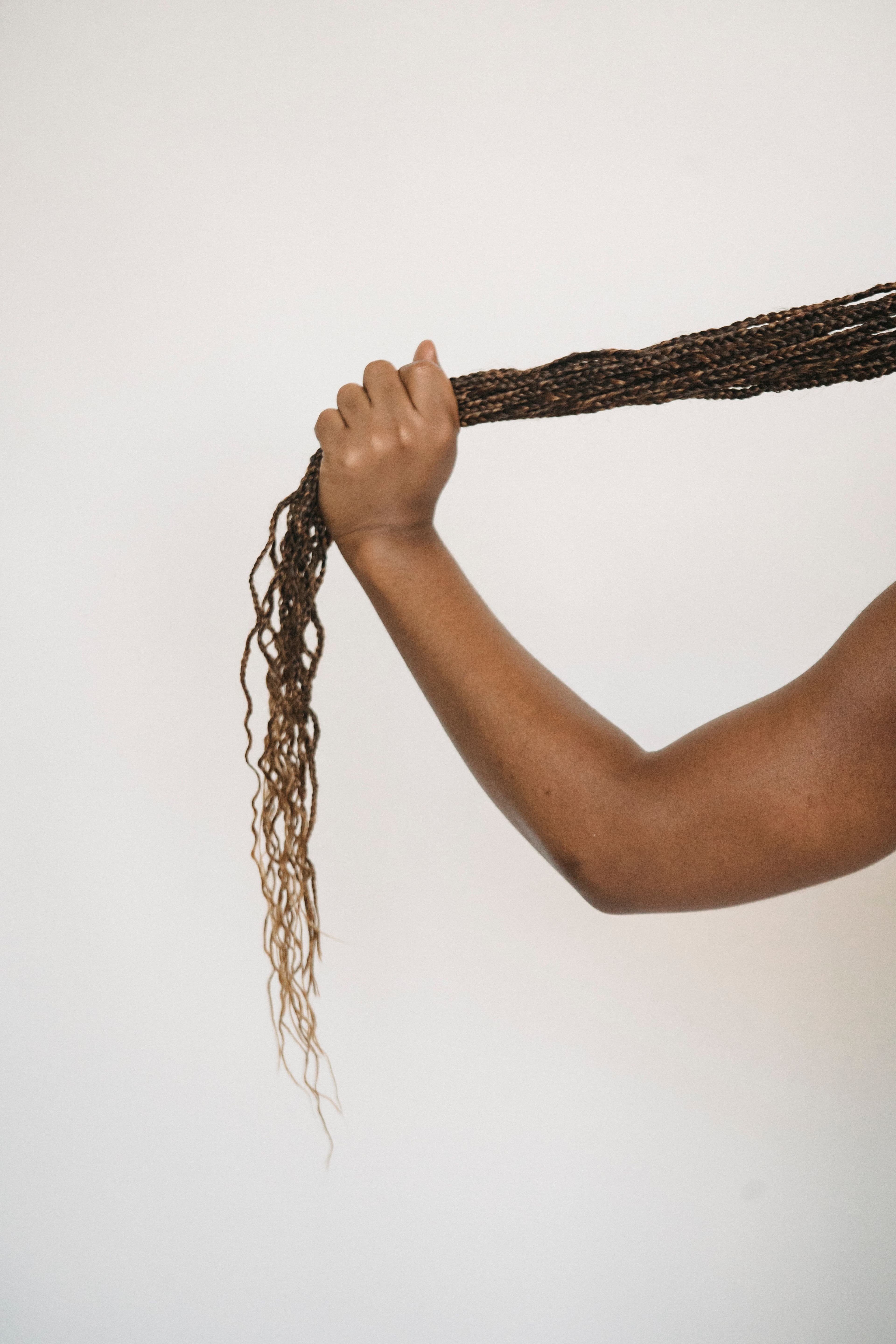
Protective styling is often sold as a vacation from your wash day routine. You get your box braids, cornrows, or crochet installations, and the prevailing myth tells you that your job is done: tuck your strands away, tie on a satin scarf, and forget about maintenance for the next six weeks.
For anyone across the hair texture spectrum: from straight and wavy 1a–2c patterns to curly and coily 3a–4c profiles: this "install and ignore" philosophy is a fast track to breakage, dry roots, and stubborn scalp buildup. When you put your hair away in braids without a strategy, you are locking in vulnerability. Trapped sweat, environmental dust, and the natural shedding of your hair shafts accumulate at the roots. Without targeted, lightweight hydration, your natural hair dries out inside the protective shell, leading to severe breakage upon takedown.
It is time to discard the guesswork. Your hair still needs moisture: even under braids.
The Hidden Cost of the "Install and Forget" Myth Protective styles are designed to minimize daily manipulation, friction, and environmental exposure. That utility is real. When done correctly, braids and twists give your ends a rest and preserve length. But protection does not mean suspension of biological needs.
Every hair strand: regardless of whether your pattern is a sleek 1b wave or a tight 4c coil: requires a steady balance of hydration and lipid support. When you lock your hair into synthetic or human hair extensions (or tight cornrows) without a moisture protocol, several destructive things happen:
- Moisture Evaporation Without Replacement: Synthetic hair fibers and tight tension can draw out residual moisture from your natural strands. Without water-based mists penetrating the braid shaft, your hair becomes brittle.
- Scalp Deprivation: Your scalp is living skin. Ignoring it because access is blocked by parting lines leads to flaking, irritation, and clogged follicles.
- The Takedown Disaster: When dry, neglected hair meets friction during braid removal, the matting at the roots results in catastrophic breakage. You lose months of retention in thirty minutes. Avoiding these pitfalls requires a shift in perspective. You do not need heavy greases or thick petroleum-based pomades that suffocate your scalp. You need precision hydration that respects your unique hair profile.
Building a Lightweight Moisture Protocol for Braids The secret to maintaining braids isn't drowning them in heavy products. In fact, heavy oils and thick creams are the primary culprits behind white buildup, trapped debris, and premature frizz. To keep your natural hair thriving under braids, your routine must be built on label logic and ingredient matching.
- Water First, Always True moisture comes from water. Oils and butters do not moisturize; they seal. When your hair is braided, you need a water-based leave-in spray or mist that can travel down the length of the braid without causing slippage or excessive frizz. Look for formulas where water is the primary ingredient, paired with humectants like glycerin or panthenol that draw atmospheric moisture into the strand.
- Targeted Scalp Mists Your scalp needs breathing room. Instead of slathering heavy oils across your parts, use a lightweight, soothing scalp mist containing botanical extracts and anti-inflammatory agents. This cools irritation, refreshes the skin, and prevents tightness without leaving a sticky film.
- Smart Sealing Once you mist your braids, lock the hydration in with a few drops of a lightweight oil: such as jojoba, grapeseed, or argan oil. These oils mimic your natural sebum and penetrate fine or coarse strands alike without weighing down your protective style.
Tailoring Your Routine to Your Texture Profile Not all braids interact with your hair the same way. Your specific curl pattern, strand thickness, and porosity dictate how often you need to hydrate and what ingredients will actually penetrate your protective style.
- Straight and Wavy Hair (1a–2c): If you wear box braids or feed-ins with fine textures, heavy products will cause your style to slide out and make your scalp look greasy within 24 hours. Stick to ultra-fine rosewater sprays and dry scalp mists.
- Curly Hair (3a–3c): Medium-density curls need moderate hydration to prevent frizz from poking out of the shafts. Water-based leave-in sprays applied twice a week keep the mid-lengths supple.
- Coily Hair (4a–4c): Type 4 strands are naturally more prone to dryness at the bends and turns of the curl pattern. Under braids, 4a–4c hair demands meticulous attention to ends. Because 4c hair often features high porosity, moisture escapes rapidly; pairing your water mist with a targeted, lightweight sealant is non-negotiable.
How Qoyl Simplifies Protective Styling Walking down the hair care aisle to find a "braid spray" usually leads to disappointment. Most commercial products rely on mineral oil and artificial fragrances that sit on top of your hair, creating a magnet for dirt rather than a source of nourishment.
This is where Qoyl changes the equation.
Instead of guessing which leave-in spray is light enough for your cornrows or which oil blend won't clog your scalp under box braids, Qoyl evaluates hair care product ingredients against your six-variable personal hair profile:
- Curl Pattern (1a to 4c)
- Porosity (Low, normal, high)
- Scalp Condition (Dry, oily, sensitive, balanced)
- Strand Thickness (Fine, medium, coarse)
- Water Hardness (Soft, hard)
- Climate (Humid, dry, temperate) Through advanced compatibility scoring and ingredient matching, Qoyl scans product labels instantly to tell you whether a formulation will deliver clean, lightweight hydration or heavy, pore-clogging buildup.
When you build your personal profile on Qoyl, you unlock a customized wash day routine, a wash day calendar, and a curated product collection designed specifically for your biology: whether your hair is loose, loced, or tucked securely under a fresh set of braids.
Step-by-Step: Your Protective Style Maintenance Checklist Keep your hair healthy from installation day to takedown by following this straightforward, no-nonsense protocol:
- Prep Before You Install: Never braid dirty, dry hair. Complete a thorough wash day using products matched to your porosity and curl pattern, ensuring your strands are fully hydrated before the extensions go in.
- Mist 2–3 Times Weekly: Use a nozzle bottle to apply your Qoyl-verified water-based leave-in spray directly to your parts and along the braid shafts.
- Gently Press, Don't Rub: Squeeze the moisture into the braids with clean hands to help the hydration reach your natural hair without causing frizz.
- Seal Sparingly: Apply a few drops of a lightweight, non-comedogenic oil to lock in the water.
- Protect at Night: Always sleep in a satin bonnet or on a silk pillowcase to prevent friction and moisture loss.
Protective styling should work for your hair, not against it. By ditching the myth that braids mean zero maintenance and embracing intelligent ingredient matching, you ensure that takedown day is a celebration of retained length rather than a rescue mission.
Join the conversation
Demi
1 month ago
soo helpful